When Is the Best Time to Visit Wroclaw
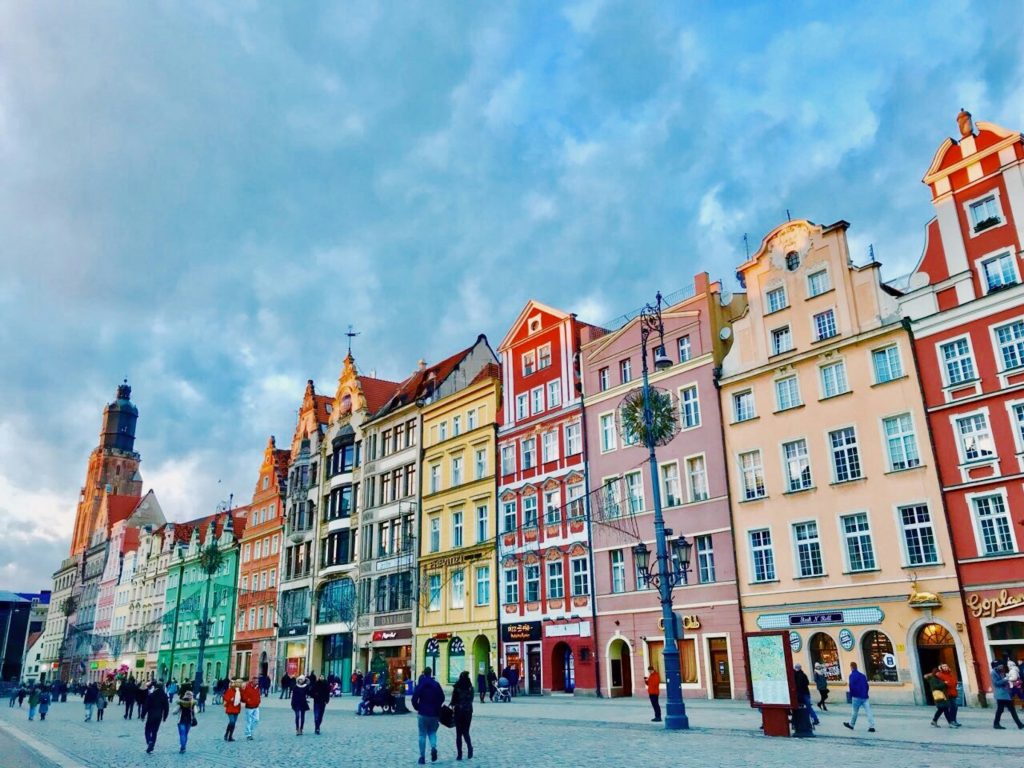
Wroclaw is a city where timing quietly shapes the entire experience. Across the year, it shifts from snowy market squares and festive winter lights to green riverside islands, lively summer terraces, and golden autumn streets. Choosing the best time to visit Wroclaw is less about chasing perfect weather and more about understanding how seasons influence crowds, prices, and the overall rhythm of the city.
Instead of relying on generic travel advice, it helps to look at how Wroclaw actually feels in different months. Some periods are ideal for slow walks across bridges and island paths, others are better for festivals or Christmas markets, while a few come with trade offs like colder weather or higher accommodation costs. Whether you are planning a short city break or building a longer Poland itinerary, the right timing can make the trip feel far more relaxed and enjoyable.
Quick Cheat Sheet: When to Visit Wroclaw
If you want a quick overview before diving into seasonal details, this snapshot highlights what different times of year offer.
Best overall time: May, June, and September
These months offer the best balance between comfortable weather, manageable crowds, and good conditions for walking, sightseeing, and riverside exploring.
Best weather: Late spring and early autumn
Mild temperatures, longer daylight hours, and plenty of sunny days make this period especially pleasant for exploring the Old Town, bridges, and islands on foot.
Cheapest time: January, February, and early November
Lower tourist demand leads to more affordable accommodation and quieter streets, especially outside holiday periods like Christmas markets.
Fewest crowds: Mid winter and late autumn
After the festive season and before spring travel picks up, Wroclaw feels noticeably calmer, making it easier to explore museums and historic districts without queues.
If you only have 2–3 days: May, June, or September
These months make short trips easier to plan, with comfortable walking conditions and enough daylight to explore the Old Town, cathedral islands, and riverside areas without rushing.
What Each Season Feels Like in Wroclaw
Understanding the best time to visit a city becomes much easier when you picture what different months actually feel like on the ground. In Wroclaw, the seasons change the atmosphere noticeably, from festive winter markets to green island walks in spring and lively riverside summers. Each part of the year brings a slightly different rhythm, which makes timing especially important if you want the trip to match your travel style.
Winter in Wroclaw (December to February)
Weather
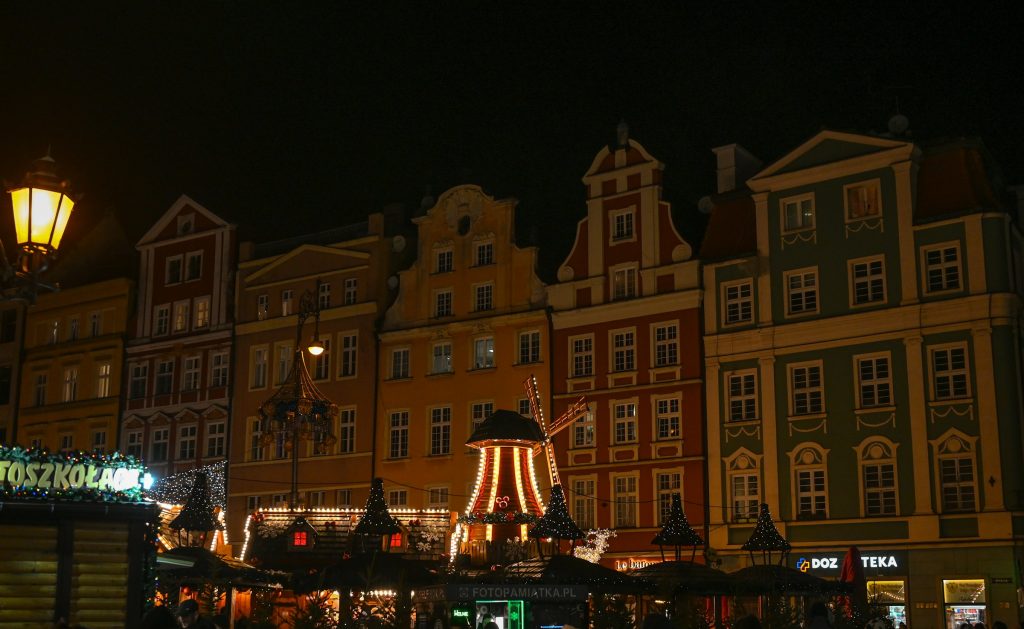
Winter in Wroclaw is cold but often atmospheric. Temperatures usually stay close to freezing, and light snowfall can give the Old Town and cathedral islands a postcard look. December feels brighter thanks to festive lighting, while January and February are typically colder and quieter, with shorter days and crisp air that limits long outdoor plans but still allows for scenic walks on clear days.
Crowds and atmosphere
December is the liveliest winter month because of the Christmas market, which transforms the main square into one of the most festive spots in Poland. After the holidays, visitor numbers drop quickly, and the city settles into a calmer rhythm. January and February feel more local, with fewer tourists in historic areas and easier access to museums, cafés, and indoor attractions.
What it’s good for
Winter works well for travellers who enjoy seasonal atmosphere or slower city breaks. December is ideal for festive lights, traditional food, and evening strolls through decorated streets. The rest of the season suits relaxed cultural trips focused on galleries, cosy cafés, and experiencing Wroclaw without peak season crowds.
Spring in Wroclaw (March to May)
Weather
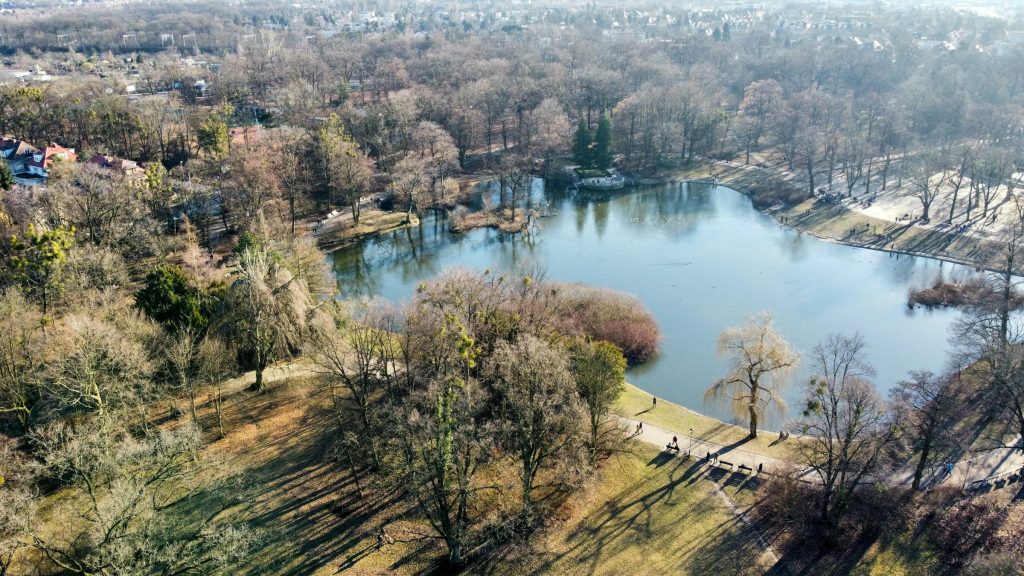
Spring gradually brings Wroclaw back to life after the colder months. March can still feel unpredictable, with cool mornings and occasional rain, but temperatures steadily improve as the season progresses. By April and May, the city becomes noticeably greener, with parks, riverside paths, and cathedral islands turning vibrant. Late spring often brings mild, comfortable weather that feels ideal for walking and exploring outdoors.
Crowds and atmosphere
Tourism begins to return, but the city rarely feels overcrowded during spring. Outdoor cafés reopen, riverside areas become more active, and the overall atmosphere turns lighter and more social. Even in May, Wroclaw usually remains more relaxed than peak summer destinations, making it easier to move between landmarks without long waits or heavy congestion.
What it’s good for
Spring is one of the most balanced times to visit Wroclaw if you want comfortable weather and a lively but manageable atmosphere. It works especially well for walking-heavy itineraries that include the Old Town, Ostrow Tumski, and the network of bridges connecting the city’s islands. This season also suits travellers who want to enjoy outdoor spaces without adjusting plans around summer heat or winter cold.
Summer in Wroclaw (June to August)
Weather
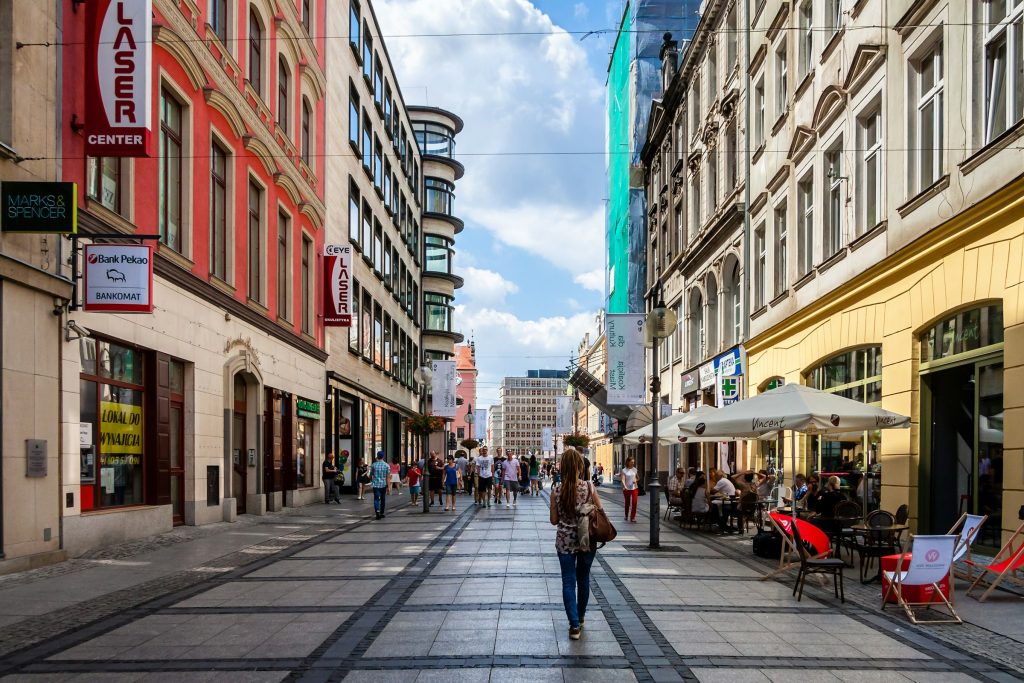
Summer in Wroclaw is warm, bright, and often lively. Daytime temperatures usually range from the low twenties to high twenties Celsius, though occasional heatwaves can push it higher, especially in July. Long daylight hours make the city feel open and energetic, with sunsets stretching late into the evening and plenty of time for slow walks along the river or across the islands.
Crowds and atmosphere
This is the busiest time of year, particularly in July and August when both international visitors and domestic travellers arrive. The Old Town, market square, and riverside terraces become noticeably more crowded, especially on weekends. Despite the higher foot traffic, the city keeps a relaxed, outdoor friendly rhythm, with festivals, open air events, and busy evening cafés shaping the overall atmosphere.
What it’s good for
Summer works best if you enjoy an active, social travel style. It is ideal for riverside walks, open air dining, and exploring Wroclaw’s bridges and islands in full greenery. The season also suits travellers who like longer days and vibrant city energy, though it helps to plan early morning sightseeing and leave afternoons for slower breaks during hotter periods.
Autumn in Wroclaw (September to November)
Weather
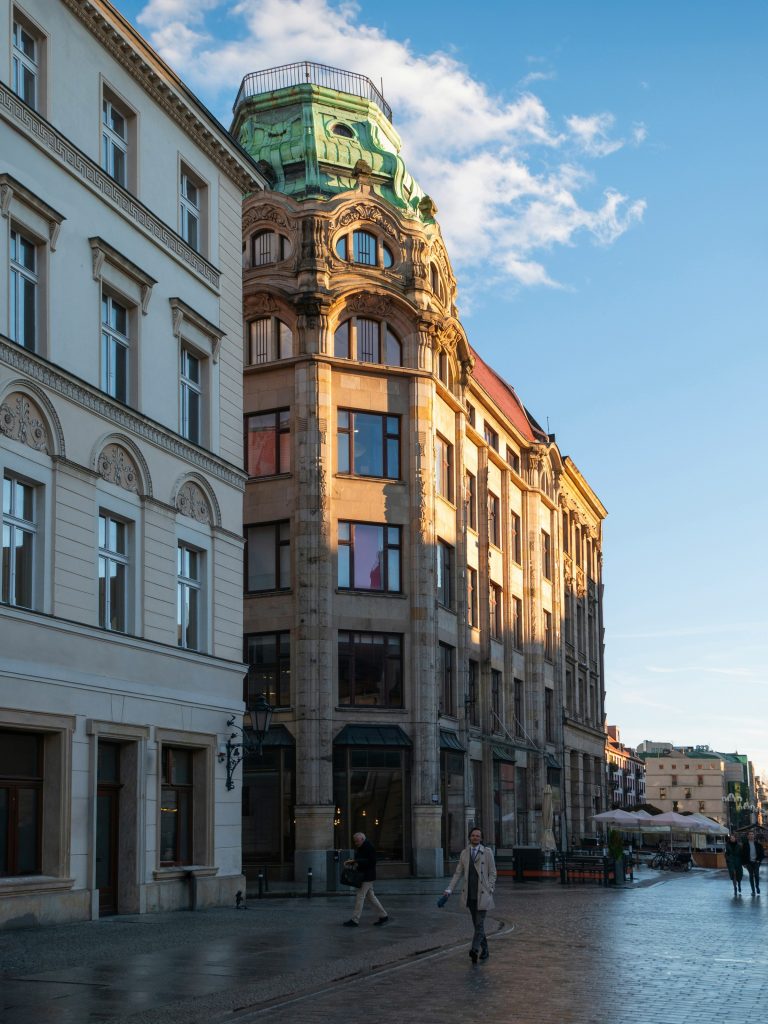
Autumn in Wroclaw starts gently and gradually cools. September often feels like a softer extension of summer, with mild temperatures and comfortable conditions for walking. By October, the air turns crisper, and parks and riverside areas take on warm autumn colours. November brings cooler days and more cloud cover, but still remains manageable for city exploring compared to harsher winter months.
Crowds and atmosphere
After the summer peak, the city regains a calmer rhythm. Visitor numbers drop noticeably, especially from mid autumn onward, and daily life feels more local again. Streets, cafés, and attractions become easier to navigate, while the Old Town keeps a lively but unhurried feel. By November, Wroclaw becomes quieter, with a slower, more reflective atmosphere before the festive season returns.
What it’s good for
Autumn is ideal for travellers who prefer a relaxed but still active city break. Early autumn works especially well for comfortable sightseeing without peak season crowds, while October offers scenic walks among fall colours across parks and river islands. It is also a good season for unhurried itineraries that focus on neighbourhood exploration, cafés, and cultural stops rather than packed schedules.
Crowds, Prices, and Booking Reality in Wroclaw
When the city gets busiest
Wroclaw is most crowded from May through August, with clear spikes on warm weekends. The Market Square, Ostrow Tumski, and riverside areas fill up quickly on Friday evenings and Saturdays, especially when the weather is good. Another strong peak is early December, when the Christmas market attracts visitors from across Poland and nearby countries. Outside these periods, the city rarely feels overwhelmed compared to larger European destinations.
How seasonality affects prices
Hotel prices rise noticeably from late spring onward, with the biggest jumps during summer weekends and major events. Central accommodation near Rynek (Market Square) and the cathedral islands tends to sell out first and becomes significantly more expensive than outer districts. December can also be pricey in the Old Town due to the Christmas market, while January and February usually bring the lowest hotel rates of the year. Apartment rentals often drop in price after the festive season.
Booking patterns to keep in mind
Wroclaw is still relatively flexible compared to cities like Prague or Vienna, but timing affects where you can stay rather than whether you can visit at all. For summer trips, booking a month ahead is usually enough for good central options. If you want a hotel directly in the Old Town or with river views, earlier booking helps, especially for weekends. In winter outside the holidays, last minute stays are often easy to find and sometimes discounted.
What helps when planning a trip to Wroclaw
- If you want to stay near Rynek, book earlier for late spring and summer weekends.
- Two to three nights is enough for a relaxed first visit without rushing major sights.
- The Old Town, Nadodrze, and areas near the Odra islands are the most walkable bases.
- You do not need a car in Wroclaw. Parking in the centre is limited and trams are efficient.
- Use trams for longer distances. Tickets are easy to buy from machines or apps.
- If visiting in December, weekday mornings are the calmest time to explore the Christmas market.
- Prices drop quickly in January and February, making winter good for budget city breaks.
Six Ways to Shape a Perfect Day in Wroclaw
Old Town and Market Square plus the dwarf hunt
Best months: April to October, also December for atmosphere
Start early in Rynek and the surrounding streets, then turn the day into a dwarf hunt using the city’s famous krasnale statues as a loose route. Warmer months make this especially enjoyable because you will spend hours outdoors, but winter can still work if you keep the focus on central streets and add café breaks.
Ostrow Tumski and the riverside islands
Best months: May to September
Spend the day around Wroclaw’s oldest district, then continue across bridges toward the Odra river islands and riverside paths. Late spring and summer are ideal, as greenery and long daylight make this route feel slow and scenic. Early autumn works well if you prefer cooler air and softer light.
Panorama Raclawicka and the museum stretch
Best months: Year round, especially November to March
This is one of the most reliable colder season plans. Pair Panorama Raclawicka with the nearby National Museum and a gentle riverside walk if the weather allows. It works well when days are shorter and you want a structured day that is not fully dependent on sunshine.
Centennial Hall, Pergola, and the Japanese Garden
Best months: Late April to October
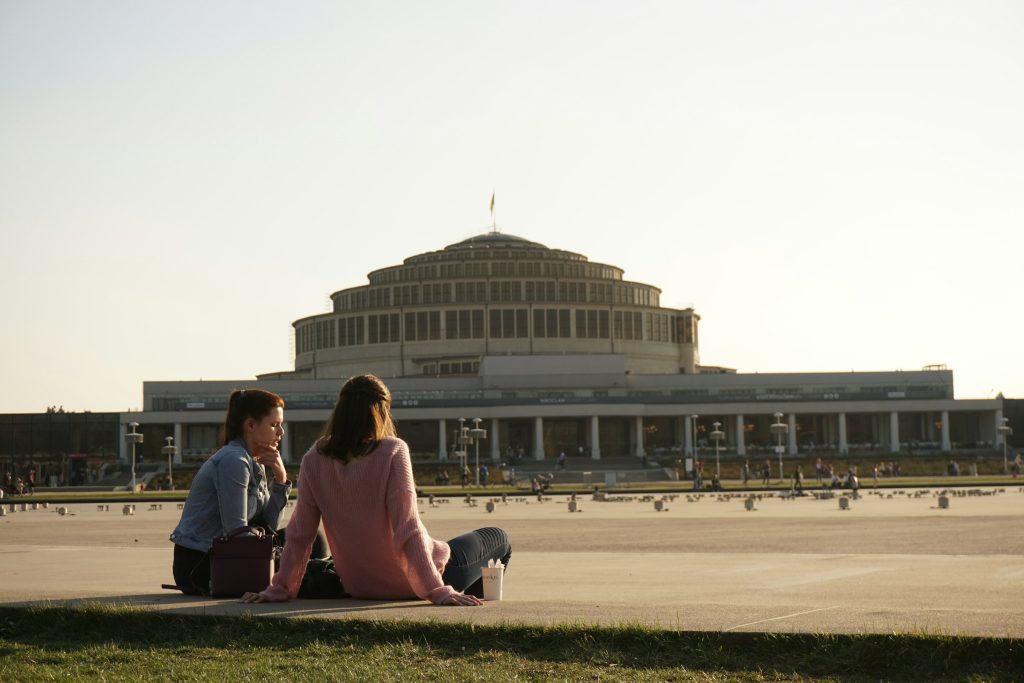
This part of the city is built for warmer months, with wide open spaces and landscaped gardens. Late spring and early autumn are usually the most comfortable for spending several hours outdoors, while summer is best if you start earlier in the day and plan shaded breaks.
Nadodrze for galleries, street art, and cafés
Best months: Year round, best in spring and autumn
Nadodrze offers a more local perspective on Wroclaw. It suits shoulder seasons particularly well, when you can mix short walks with galleries and independent cafés. In winter, it still works because you can shift easily between indoor stops.
An evening focused Wroclaw route
Best months: May to September, also December
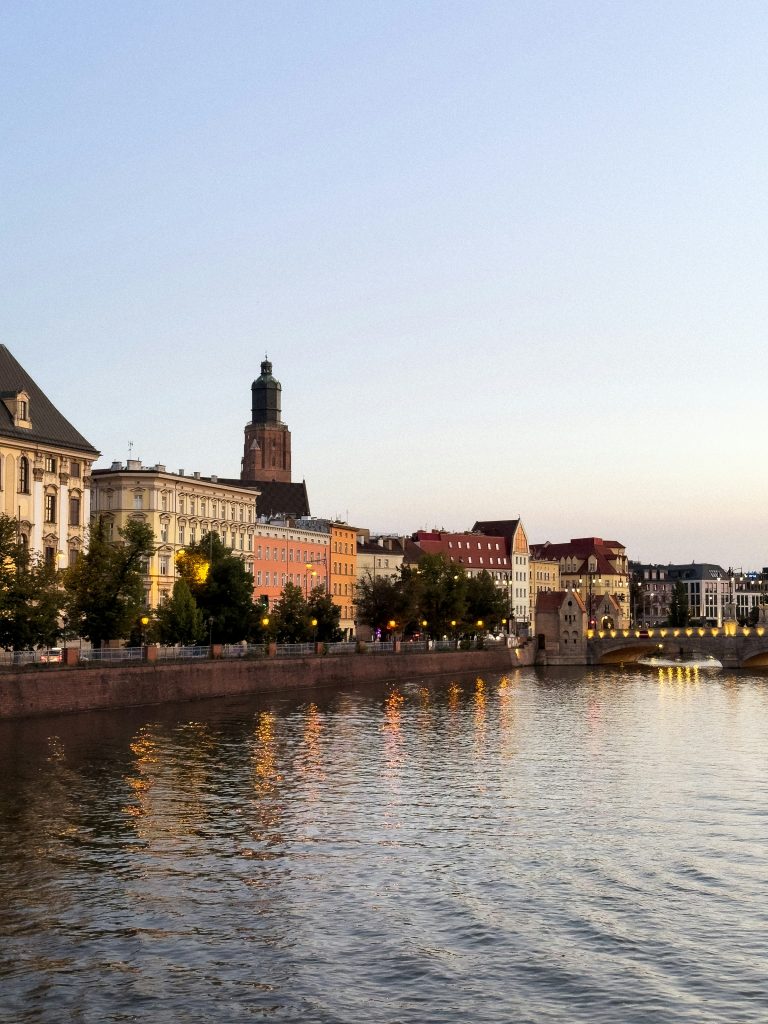
Start later and shape the day around sunset and night views. In warmer months, long evenings make riverside walks and bridge routes especially rewarding. In December, the illuminated centre and festive lighting create a very different but equally memorable atmosphere.
Timing Your Wroclaw Experience
The best time to visit Wroclaw depends less on a single perfect month and more on the kind of trip you want to shape. Late spring and early autumn offer the most balanced experience, with mild weather, manageable crowds, and ideal conditions for walking between bridges, islands, and historic streets. These seasons make the city feel open, relaxed, and easy to explore without constantly adjusting your plans.
Summer brings longer days and a lively outdoor rhythm, especially along the river and in café filled squares, though it comes with higher prices and busier weekends. Winter reveals a quieter side of Wroclaw, shaped by festive December markets and calmer months that follow, which can be especially appealing if you prefer slower city breaks or lower travel costs.
Once you match the season to your travel style, Wroclaw becomes a very flexible destination. Whether you are planning a short city escape or adding it to a wider Poland itinerary, choosing the right timing makes the experience smoother, more atmospheric, and far easier to enjoy at your own pace.