Tipping Culture in Zurich: what’s expected and what’s optional

Zurich is precise, polished and famously expensive. Then the bill arrives and the real question appears: do you tip in Zurich, or is everything already included? Visitors often hesitate because Swiss service works differently from many other countries. Prices look high, staff are professional but not overly attentive, and card payments are the norm. It is not always obvious whether a gratuity has already been built into the total.
This guide explains how tipping culture in Zurich actually works. You will understand when a tip is expected, how much to tip in Zurich in restaurants, cafés, taxis and hotels, how to check your bill correctly and how to avoid paying twice. The goal is simple: show appreciation without feeling awkward or overspending.
The basics: how tipping culture in Zurich really works
In Switzerland, a service charge is already built into menu prices. Hospitality staff receive comparatively high base wages, so tips are not designed to compensate for low pay. Instead, a gratuity is viewed as a voluntary expression of appreciation for attentive or particularly friendly service. This framework shapes the entire tipping culture in Zurich and explains why expectations remain moderate.
So, do you tip in Zurich at all? Yes, but in a restrained and practical way. The most common approach is rounding up the bill to the nearest franc or adding a small amount, typically one to five francs, when the service has been pleasant. In restaurants, if the experience was genuinely excellent, adding around five to ten percent is appropriate. However, double-digit percentages are not the norm and may feel excessive in everyday settings.
Tipping is not expected in self-service environments, for brief transactions, or when service quality is clearly lacking. Zurich’s approach is pragmatic: appreciation is linked to the actual level of service provided. A modest, considered gesture aligns far better with local expectations than an automatic percentage.
Restaurants: the main scenario
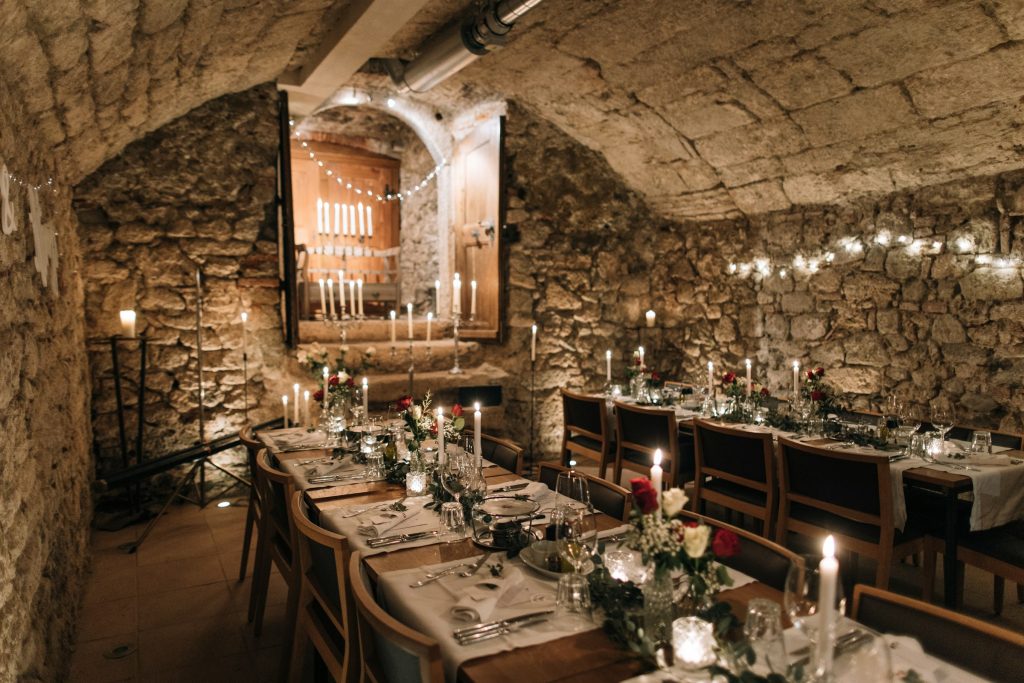
Restaurants in Zurich follow a clear principle: service is already included in the menu prices. You will not usually see a separate “service charge” or “gratuity” line on the bill. This means there is no need to calculate a large percentage on top of the total. The listed price already covers staff wages and standard service.
If the experience was pleasant and attentive, rounding up the final amount is the most common practice. For instance, if the total is 76 francs, many locals simply pay 80. In higher-end restaurants, where staff provide detailed recommendations, attentive pacing and consistent table service, leaving around five to ten percent for truly outstanding service is appropriate. Anything beyond that is unusual.
If there is any uncertainty about what is included, it is perfectly normal to ask. Swiss billing is transparent, and direct questions about the total are not considered impolite. Clear communication is preferred over assumptions, especially in a country where pricing structures are straightforward and regulated.
How to leave a tip in Zurich
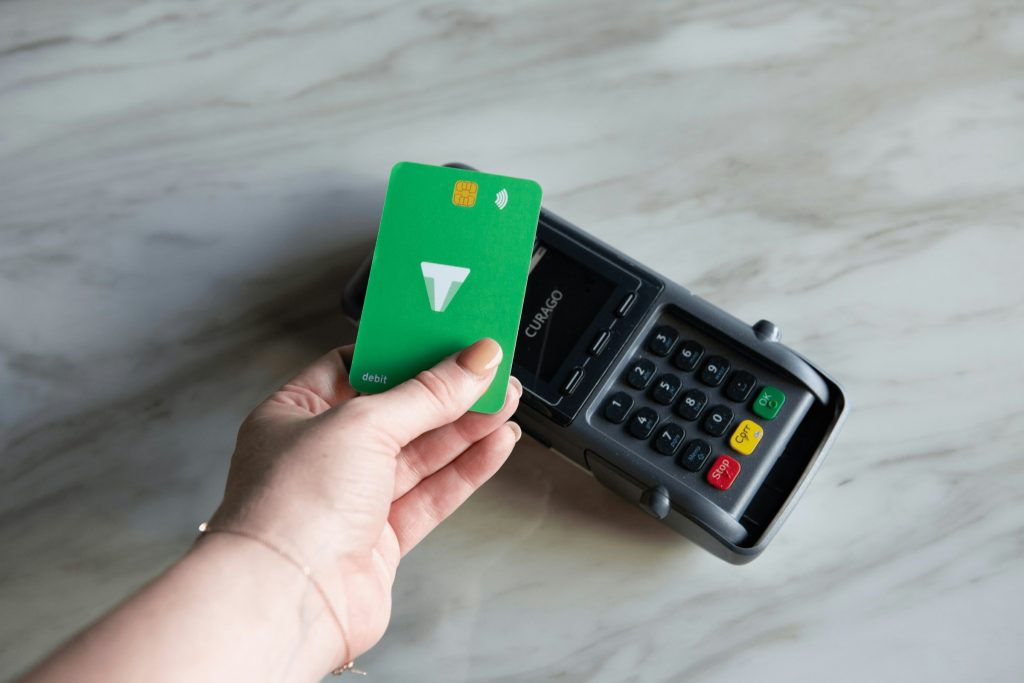
Payment method matters. Card payments are widespread, and many restaurants bring a portable terminal to your table. When paying by card, you usually tell the server the total amount you would like to pay before the transaction is processed. Instead of calculating a separate tip line later, you simply state the final figure including the gratuity. The staff member enters that amount into the machine.
Cash also works well. Some travellers prefer leaving coins or notes directly in the bill folder or on the table. Cash can feel clearer and ensures the tip goes directly to the staff rather than being processed through the system.
If you keep asking yourself, do you tip in Zurich automatically? The answer is no. It is a conscious decision made at the moment of payment.
Cafés and quick bites
In cafés where you order at the counter and collect your drink yourself, tipping is not expected. You may see a small tip jar near the register. Dropping a few coins is a friendly gesture, especially if the barista prepared something custom or handled a special request during a busy period.
If you sit down and receive table service, the logic moves closer to restaurant practice, but on a smaller scale. Rounding up slightly is sufficient. For example, if you spend time working or meeting friends for an extended period and the staff continue clearing and serving attentively, adding a small extra amount feels appropriate. Zurich café culture values efficiency and professionalism. Staff do not depend on tips for income, so a modest, proportional thank you is entirely in line with local expectations.
Bars and nightlife
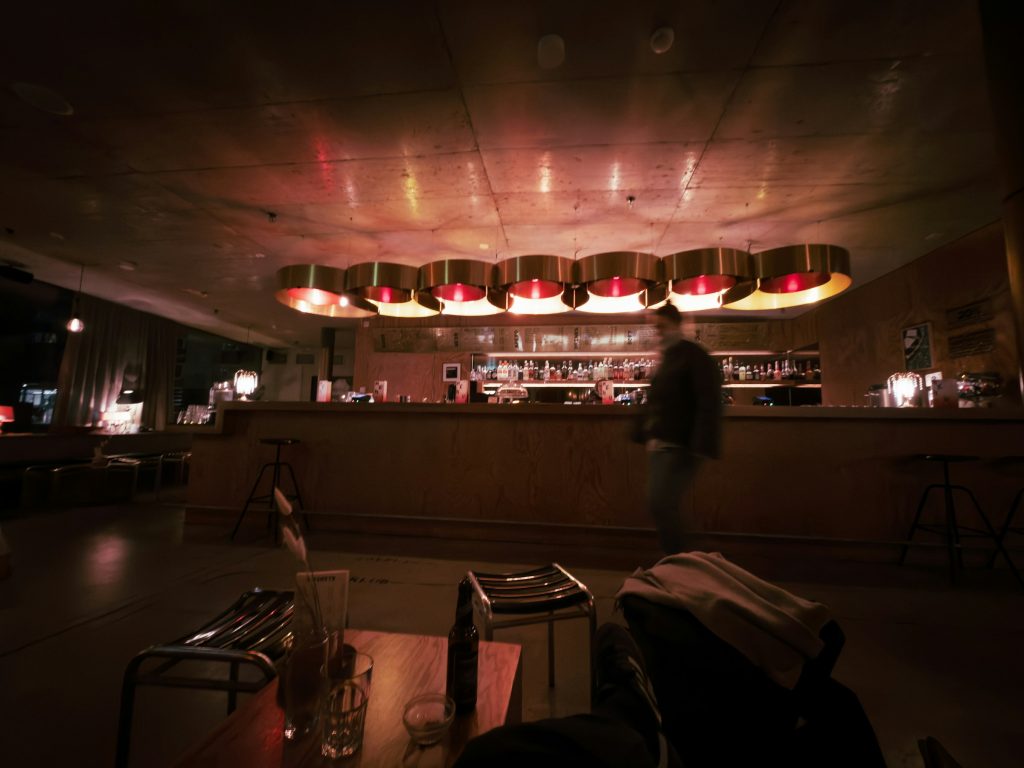
Zurich’s bars range from traditional beer halls to sleek cocktail lounges. If you order at the bar and pay immediately, rounding up to the nearest practical amount is common but optional. If you open a tab and settle later with table service, you may add a small extra amount at the end.
In busy beer halls, where service is fast and functional, rounding up by a small amount is typical if the staff were efficient and attentive. In cocktail lounges, where drinks may involve more preparation and interaction, a slightly higher addition is appropriate when service includes thoughtful recommendations or careful attention throughout the evening.
Large tips are unusual unless service was exceptional. Even in high-end venues, tipping culture in Zurich remains measured. The focus is on fairness and proportion rather than making a statement with the amount.
Hotels and accommodation
Hotels operate on similar principles. Do you tip in Zurich hotels? Yes, but selectively.
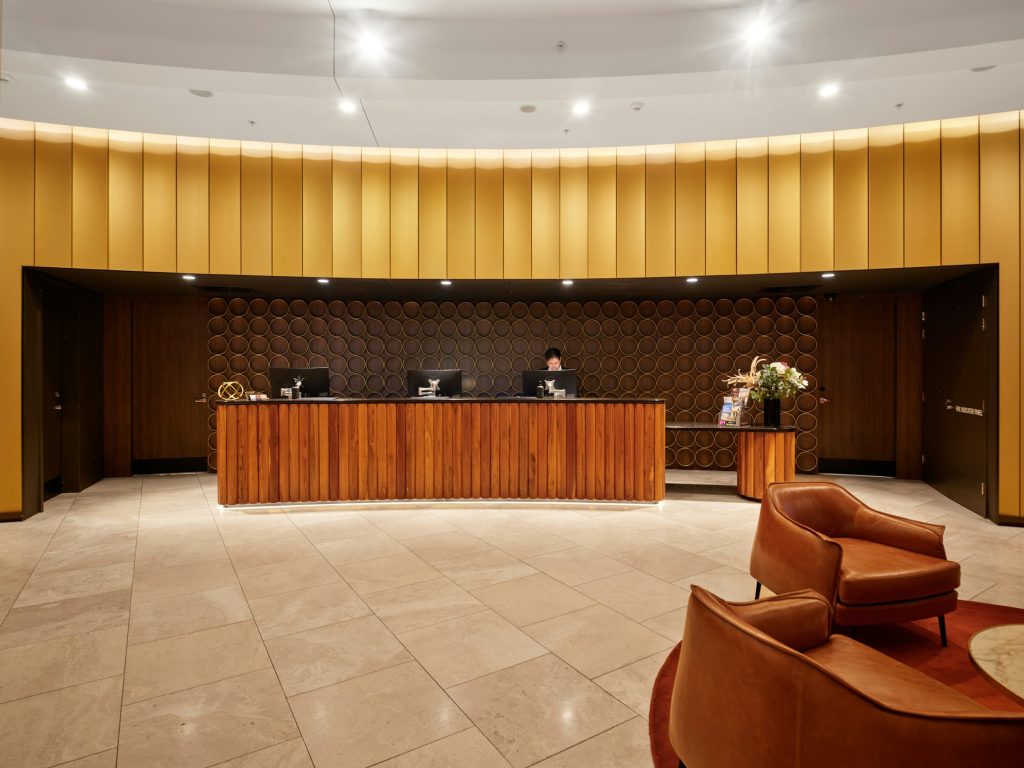
Porters who assist with heavy luggage can receive a small amount for the specific help provided, particularly in larger city hotels where staff handle multiple arrivals at once. Housekeeping tips are optional. Some guests leave a modest amount at the end of their stay if the room was consistently well maintained, especially during longer visits.
Concierge services deserve a tip only when they provide meaningful assistance such as securing hard-to-get reservations, arranging last-minute tickets, or resolving a complicated issue. Routine check-in, directions or simple questions do not require gratuities. In business hotels with minimal personal interaction, many guests leave nothing at all, and this is considered normal.
Taxis and ride services
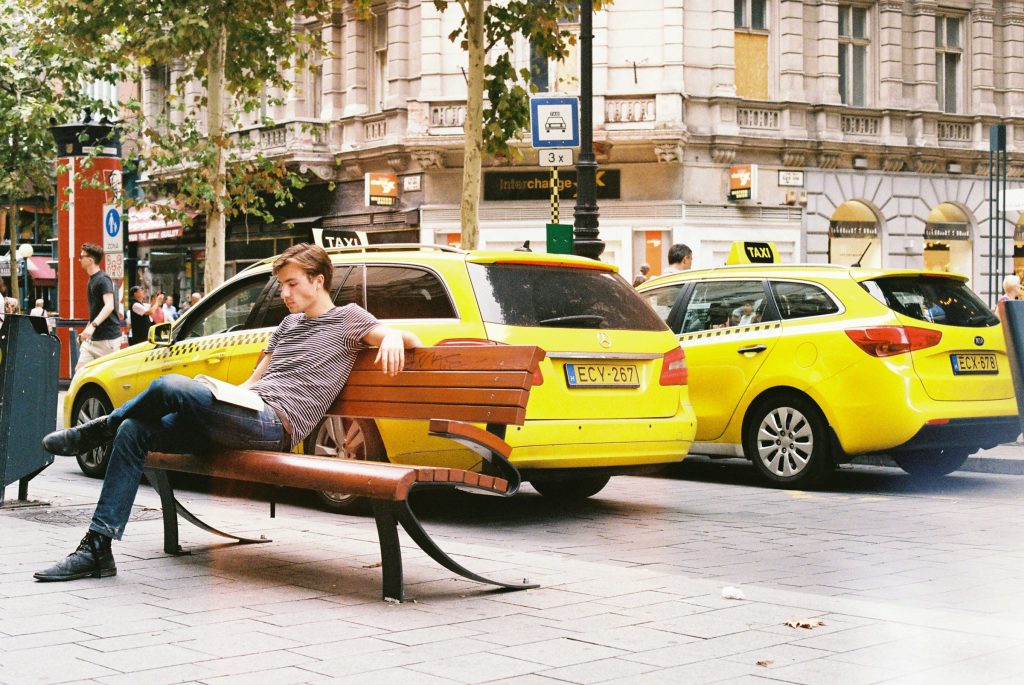
Taxi drivers in Zurich do not expect large tips. The usual approach is rounding up the fare or adding a small percentage for smooth service. If the driver helps with luggage or takes extra care, a bit more is reasonable.
For example, on a short city ride, many passengers simply round the total to the next convenient amount rather than calculating a percentage. On longer transfers, such as to or from the airport, adding a small extra amount is common when the journey is comfortable and efficient.
If you pay through an app, tipping remains optional. You can add a small amount digitally if the experience was positive. In cases of poor service, aggressive driving or overcharging, you are not obliged to tip, and paying the exact fare is perfectly acceptable in Zurich.
Tours and activities
On paid group tours, adding around five to ten percent is typical if the guide was engaging and informative. It reflects appreciation for knowledge and effort rather than obligation. If a guide answers additional questions, adapts the pace to the group, or shares insider context beyond basic facts, a modest extra amount is considered appropriate.
Free walking tours operate differently. In these cases, tips function as the guide’s primary income. The amount depends on duration, quality and group size. Visitors usually leave a more substantial contribution than in standard tipping situations because this is effectively the payment model. On longer tours that last two hours or more, contributions tend to be higher than on shorter introductory walks.
If unsure where to leave the tip, simply ask the guide. Direct communication is normal in Switzerland, and guides are accustomed to clarifying how the process works.

Common mistakes travellers make
One frequent mistake is tipping twice. Because service is included in menu prices in Switzerland, adding a full extra percentage without checking can easily lead to overpaying. Some visitors assume that if there is no separate “service charge” line, it must not be included, when in fact it already is. A quick look at the receipt or a simple question avoids unnecessary duplication.
Another common error is leaving large international-style tips out of habit. While generosity is appreciated, excessively high amounts may feel disproportionate in the Swiss context, where wages are comparatively high and tipping is moderate by design. Leaving twenty percent in a standard café or casual restaurant may stand out more than intended.
Some travellers tip in foreign currency, especially euros. That creates inconvenience for staff, who must exchange it themselves. Always use Swiss francs to ensure the tip is practical and usable.
Finally, many visitors hesitate to ask about service charges or local practice. In Zurich, clarity is valued. Asking directly about whether service is included or how to add a tip is seen as sensible, not awkward, and it prevents misunderstandings at the end of the meal.
Quick checklist before you pay
- Before settling your bill, keep these practical steps in mind. They help you avoid confusion and make decisions that fit local expectations rather than imported habits.
- Check the bill carefully and remember that service is already included in listed prices. In Switzerland, you will not usually see a separate service charge line, so inclusion is standard practice.
- If you are satisfied, round up to a convenient figure or add roughly five to ten percent only when the service was clearly attentive, friendly or professional. For routine service, rounding up is sufficient.
- At counter service venues such as bakeries, takeaway cafés or self-service lunch spots, tipping is optional. Leaving nothing is normal. A small coin in a jar is simply a gesture of appreciation, not a requirement.
- In hotels, tip for personal assistance rather than routine tasks. Help with heavy luggage, problem-solving or special arrangements may justify a small amount. Standard check-in and housekeeping do not automatically require anything extra.
- Keep small change in Swiss francs for convenience. While card payments are common, cash makes rounding up simple and avoids awkwardness at the terminal.

Final thoughts
So, do you tip in Zurich? Yes, but thoughtfully and in moderation. Tipping culture in Zurich is structured around appreciation rather than obligation, and it reflects a broader Swiss preference for clarity and balance. Staff are paid regular wages, and tips are a sign that the service stood out, not a supplement to income.
How much to tip in Zurich depends on context, service quality and your own judgement rather than a fixed percentage. A well-handled dinner, a helpful guide or a considerate taxi driver may deserve a modest addition. A standard, efficient interaction may not.
If you remember one principle, let it be this: check what is included, reward genuine effort and avoid automatic habits from other countries. In Zurich, a fair rounding up and a sincere thank you are entirely sufficient.