Lisbon on a Budget

Lisbon has long been considered one of the more affordable capitals in Western Europe, but that does not mean every trip will automatically be cheap. Accommodation in the historic center, restaurants near famous landmarks and unnecessary taxi rides can quickly increase travel costs. Many travelers expect a budget destination but later realize that prices in the most popular areas are higher than expected.
Planning Lisbon on a budget is mostly about understanding where money is usually spent and how to avoid common traps. Fortunately, many memorable experiences in Lisbon are free. Historic neighborhoods, scenic viewpoints and long walks along the Tagus River can easily fill an entire day without expensive tickets.
This guide explains how to reduce expenses while still enjoying the best of the city, with practical advice on accommodation, transportation, food and sightseeing, as well as simple itinerary ideas for budget travel Lisbon lasting one to three days.
Essential Budget Tips for Visiting Lisbon
When travelers start visiting Lisbon on a budget, the first useful step is understanding how daily spending in the city usually works. Lisbon can be quite affordable if you choose the right neighborhood for accommodation, rely on public transportation and avoid the most tourist-oriented restaurants.
For most visitors the daily travel budget typically falls into two categories:
- budget traveler: about 50–80 € per day
- mid-range traveler: about €100–150 per day
The biggest travel expenses in Lisbon usually include accommodation in the historic center, restaurants located near major landmarks and frequent taxi rides. Hotels in Baixa, Chiado and central Alfama are often significantly more expensive than those located in nearby residential districts.
Another important factor is transportation. Lisbon is built on several hills, but many of the main attractions are located close enough to explore on foot. Walking through the historic streets is often the most enjoyable way to experience the city. For longer distances, public transportation is usually the most practical option.
Most travelers combine several ways of moving around the city:
- walking between nearby districts
- using the metro for longer distances
- taking trams or buses when reaching hilltop neighborhoods
A simple way to save money on sightseeing is to combine free attractions with a few paid monuments. Many viewpoints in Lisbon are completely free, and historic neighborhoods like Alfama can be explored without entrance tickets.
Food is another area where spending can vary widely. Restaurants located directly next to popular attractions usually charge higher prices, while local cafés and bakeries often offer excellent meals at a much lower cost. Eating in neighborhood restaurants not only saves money but also gives a more authentic experience of Portuguese cuisine.
Some of the easiest budget-friendly activities include:
- exploring the narrow streets of Alfama
- watching sunset from Miradouro da Senhora do Monte
- walking along the Tagus River waterfront
These experiences show why budget travel Lisbon can still feel rich and memorable even with limited spending.
How Much Money You Really Need for Lisbon
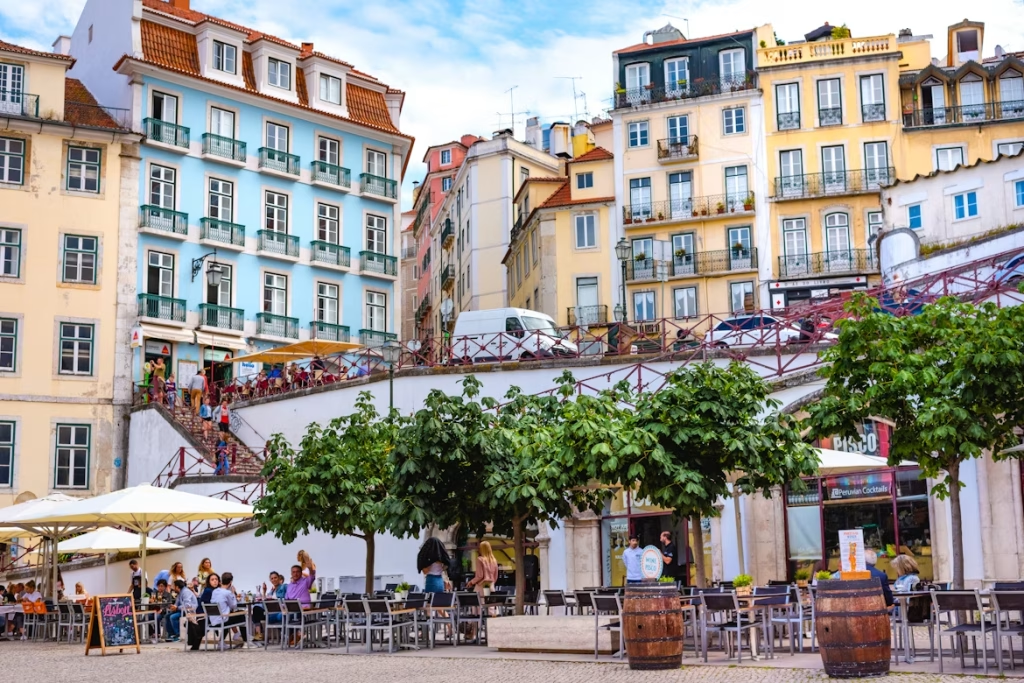
Understanding travel expenses is important when planning Lisbon on a budget. Although prices vary by season, most daily costs follow a predictable pattern.
Accommodation usually takes the largest share of the budget. Hostel beds and simple guesthouses are the cheapest options, while hotels in the historic center are significantly more expensive. Booking several weeks in advance can help secure better prices, especially during the busy spring and summer seasons.
Food costs mainly depend on where you eat. Breakfast in a Portuguese bakery is usually inexpensive and often includes coffee and a pastry, while many local restaurants offer lunch menus that provide good value and are typically cheaper than dinner.
Transportation in Lisbon is relatively affordable. The metro, buses and trams connect most areas visitors want to explore, so taxis are rarely necessary.
A typical day for a budget traveler might include:
- accommodation in a hostel or simple guesthouse
- public transport rides across the city
- meals in local cafés or bakeries
- one or two paid attractions
However, many travelers quickly realize that some of Lisbon’s most enjoyable experiences are completely free. Walking through Alfama, visiting viewpoints or exploring local markets can easily become the highlight of the trip.
Affordable Areas to Stay in Lisbon

Accommodation is usually the biggest expense when planning Lisbon on a budget, so choosing the right neighborhood can make a big difference. Lisbon’s historic center is beautiful and convenient, but it is also the most expensive area. Hotels in Baixa, Chiado and central Alfama often charge higher prices because these districts attract many visitors.
Fortunately, nearby neighborhoods offer a better balance between price and location. Staying slightly outside the busiest tourist areas usually lowers accommodation costs while keeping you close to the main attractions.
Areas such as Arroios, Anjos and Graça are especially practical for travelers visiting Lisbon on a budget, as they combine more affordable accommodation with good access to metro lines and public transport.
The most budget-friendly districts include:
- Arroios – a lively residential area with many small restaurants and metro connections
- Anjos – close to the center but usually cheaper than Baixa or Chiado
- Graça – a historic neighborhood with beautiful viewpoints and a local atmosphere
- Alcântara – located near the river with good transport connections to Belém
Another important factor when choosing accommodation is the type of lodging. Lisbon has a wide variety of options, and the right choice can reduce travel costs significantly.
The most common budget accommodation options are:
- hostels with shared dormitory rooms
- budget guesthouses and small hotels
- private rooms in shared apartments
- short-term rental apartments
Hostels are often the cheapest option and many of them in Lisbon are well known for their quality. Guesthouses and small family-run hotels are also common and can offer comfortable private rooms at moderate prices.
A few practical booking tips can help reduce accommodation costs:
- reserve accommodation several weeks in advance
- compare prices between hotels, guesthouses and apartments
- choose locations near metro stations rather than tourist landmarks
- check whether breakfast is included
- consider residential neighborhoods instead of the historic center
Getting Around Lisbon Without Spending Much

Transportation is one of the easier parts of budget travel in Lisbon because the city has a reliable and relatively affordable public transport system. The metro, buses and trams connect most neighborhoods that travelers want to visit.
Lisbon is built on hills, which can make walking challenging, but many attractions are still close enough to explore on foot. Walking through the historic streets also helps visitors experience the city’s atmosphere.
For most travelers, the best approach is to combine walking with public transportation, which keeps costs low while making it easy to move between districts.
The most practical ways to get around Lisbon include:
- walking between nearby districts such as Baixa, Chiado and Alfama
- using the metro for longer distances across the city
- taking trams or buses when traveling uphill
One of the first things travelers should do after arriving in Lisbon is purchase a rechargeable public transport card. These cards allow passengers to load credit and use multiple forms of transport without buying a new ticket each time.
Helpful tips for saving money on transport include:
- buying a rechargeable transport card instead of single tickets
- combining walking with metro journeys
- avoiding taxis during daytime when public transport is available
- planning sightseeing by neighborhood to reduce travel
- using metro lines instead of tourist trams when possible
Another important journey is the route from the airport to the city center. Fortunately, Lisbon Airport is located quite close to downtown, which makes transportation simple and inexpensive.
Budget-friendly options for reaching the city include:
- the metro line connecting the airport to central Lisbon
- city buses serving several major districts
- airport shuttle services
The metro is usually the easiest and cheapest option for most travelers. Taxis are available as well, but they are considerably more expensive than public transport and usually unnecessary.
Where to Eat Well in Lisbon for Less

Food is an important part of the Portuguese travel experience, and Lisbon offers many ways to enjoy local cuisine without spending much money. Restaurants near major tourist attractions often charge higher prices, but local cafés and neighborhood eateries usually serve excellent meals at reasonable costs.
Travelers trying to keep Lisbon on a budget often find the best food slightly away from the main tourist streets. Small family-run restaurants frequently offer traditional Portuguese dishes at lower prices than those in busy central areas.
Portuguese bakeries are also a great option for budget travelers. Many open early and serve inexpensive breakfasts with coffee, pastries or simple sandwiches.
Places where travelers commonly find affordable meals include:
- neighborhood bakeries serving pastries and simple breakfasts
- small family restaurants offering traditional Portuguese dishes
- cafés located on quieter residential streets
Lunch is often the best time to eat in Lisbon if you want to save money. Many restaurants offer daily lunch menus that include a main dish and sometimes a drink or dessert for a lower price than dinner. These lunch offers are usually known as prato do dia, which means “dish of the day,” or menu do dia, meaning a daily set menu offered at a reduced price.
Useful tips for saving money on food include:
- choosing lunch menus instead of dinner in tourist areas
- avoiding restaurants directly next to major landmarks
- walking a few streets away from popular attractions
- having breakfast in local bakeries instead of hotels
- looking for restaurants where locals eat
- checking menu prices before sitting down
- sharing larger portions when possible
Choosing these simple strategies makes it much easier to enjoy Portuguese cuisine while still visiting Lisbon on a budget.
Affordable Things to See and Do in Lisbon

One advantage of planning Lisbon on a budget is that many of the city’s best experiences cost little or nothing. Unlike some European capitals where major attractions require expensive tickets, Lisbon has many historic districts, viewpoints and public spaces that can be explored for free.
Simply walking through the city can become a highlight of the trip. The narrow streets of Alfama, colorful tiled buildings and scenic viewpoints create memorable moments without any entrance fees. Many travelers find that wandering through neighborhoods reveals more about Lisbon than visiting several museums.
At the same time, Lisbon also has important monuments and cultural sites. You do not need to visit them all, but choosing one or two highlights can add depth to the trip while keeping expenses under control.
Some attractions that fit well into budget travel Lisbon itineraries include the following:
- Alfama district and its historic streets
- Belém waterfront and the area around Belém Tower
- Miradouro da Senhora do Monte viewpoint
- Miradouro de Santa Catarina
- Praça do Comércio and the surrounding squares
- LX Factory cultural complex
Many of these places can be explored without paying entrance fees. Even famous landmarks like Belém Tower or Jerónimos Monastery can be admired from the outside while walking along the river.
Travelers planning to visit several museums may consider the Lisbon Card, which provides free or discounted entry to many attractions along with unlimited public transport. However, it is usually worthwhile only if you plan to visit several paid sites within a short time.
Another helpful strategy is checking museum schedules in advance, as some offer free entry during certain hours or days of the month.
Viewpoints are another highlight of Lisbon and are often completely free. The city’s famous miradouros offer panoramic views over the rooftops and the Tagus River, and watching the sunset from one of them can become one of the most memorable moments of the trip.
Simple Budget-Friendly Travel Plans
Planning a route through the city helps travelers avoid unnecessary transport costs. Lisbon’s main districts are relatively close to each other, so organizing sightseeing by neighborhood makes exploring easier and cheaper.
Below are simple examples of how to organize a short trip while keeping expenses low.
One-Day Budget Plan

If you only have one day in Lisbon, the best approach is to focus on the historic center, where many iconic sights are within walking distance. This allows you to explore most of the day without spending money on transportation.
Start the morning in Baixa, Lisbon’s traditional downtown area. Walk through the streets around Praça do Comércio and Rossio Square, where historic buildings, cafés and shops create a lively atmosphere.
From there continue toward Alfama, the oldest district in the city. Its steep streets, small squares and traditional houses make it one of the best places to experience Lisbon’s historic character.
During a one-day budget visit you might include:
- Praça do Comércio and the riverside promenade
- Rossio Square and nearby historic streets
- Alfama district and Lisbon Cathedral area
- Miradouro de Santa Luzia viewpoint
In the late afternoon walk toward one of Lisbon’s famous viewpoints. Miradouro da Senhora do Monte is a popular place to watch the sunset and provides one of the best panoramic views of the city.
If time allows, you can also stop at one of the small cafés in the Alfama area for a simple dinner or a drink while enjoying the atmosphere of the neighborhood.
Three-Day Budget Plan

Three days allow travelers to explore Lisbon more comfortably and discover several neighborhoods. Organizing each day around a specific area also helps reduce transport costs.
The first day can focus on the historic center, where walking through Baixa and Alfama offers a great introduction to Lisbon’s history and architecture.
The second day is often spent in Belém, a riverside district known for its famous monuments and pleasant waterfront walks.
The third day can be dedicated to areas outside the historic center, including creative districts and scenic viewpoints.
A simple three-day route might include:
- Day 1: Baixa, Rossio, Alfama and evening viewpoint
- Day 2: Belém waterfront, Belém Tower area and riverside walks
- Day 3: LX Factory, Alcântara district and Miradouro de Santa Catarina
Following this type of route allows travelers to see several sides of the city without relying heavily on taxis or expensive tours. It also helps group attractions by location, which reduces transport costs during the trip.
Common Budget Mistakes Travelers Make in Lisbon
Even though Lisbon can be relatively affordable, many travelers accidentally increase their daily costs through small decisions. These mistakes usually happen because visitors stay only in tourist areas or overlook cheaper local options.
Understanding these common pitfalls helps travelers maintain Lisbon on a budget more easily.
Some of the most frequent mistakes include:
- staying only in the most touristy districts such as Baixa or Chiado
- using taxis instead of public transportation
- buying single transport tickets repeatedly instead of using rechargeable cards
- eating only in restaurants located near major landmarks
- not checking museum discounts or free admission hours
- booking accommodation too late during high season
- ignoring cheaper lunch menus offered by local restaurants
- choosing expensive hotels in the historic center instead of nearby neighborhoods
- not planning sightseeing by neighborhood, which increases transport costs
Avoiding these simple mistakes can significantly reduce the total cost of a trip.
Final Thoughts on Traveling Lisbon on a Budget

Traveling Lisbon on a budget is entirely possible with some planning. Staying outside the most touristy areas, using public transportation and eating in local cafés can significantly reduce daily expenses.
At the same time, many of Lisbon’s best experiences are free. Historic neighborhoods, viewpoints and riverside walks allow visitors to enjoy the city without expensive tickets.
For travelers interested in budget travel Lisbon, the easiest strategy is to focus on authentic local experiences and explore the city by neighborhood. This keeps transport costs low and makes the trip more relaxed.
With a bit of planning and curiosity, visiting Lisbon on a budget can become not only affordable but also one of the most rewarding ways to discover the Portuguese capital.