Best Areas to Stay in Valencia for First-time Visitors: Where to Base Yourself for Sightseeing

If you’re visiting Valencia for the first time, the main question is simple: where should you stay to explore the city easily without overpaying? Valencia is compact and walkable, but choosing the right neighborhood makes a real difference — it affects how much you walk, how often you rely on transport, and how relaxed your days feel.
The best areas to stay in Valencia are not about luxury, but about location and atmosphere. Pick the right district, and the historic center, markets, parks, and cafés naturally fall into place. This guide focuses on practical, first-time-friendly neighborhoods, with clear explanations and no hype.
Where to Stay in Valencia: a 30-second Decision Guide
If you don’t want to overthink your first trip, start here. Valencia is friendly and compact, but different neighborhoods offer very different moods — from historic streets to cafe-filled avenues. This quick guide helps you match your travel style with the right area in under half a minute. It’s designed to save you hours of research and ensure your first trip feels effortless.
- Ciutat Vella — perfect for first-time visitors — stay here if you want to walk everywhere and wake up surrounded by history
- Ruzafa (Russafa) — ideal for food lovers and curious explorers — lively streets, local markets, and some of the city’s best cafés
- El Pla del Remei / Gran Vía — great for couples and slower-paced trips — elegant, quiet, and close enough to reach everything on foot
- Extramurs — a smart choice for budget travelers — well connected by metro and buses, with better value for money
If one of these lines already sounds like your trip, you’ve probably found your area. If not, keep reading — the details below will help you fine-tune the choice. Even a small adjustment in neighborhood choice can dramatically change how much you enjoy your visit.
How Valencia Is Laid Out (And Why It’s Easy to Navigate)
Valencia is one of those cities that feels intuitive after just a few hours. It’s large enough to be interesting, but compact enough to avoid long daily commutes. Understanding its structure makes choosing where to stay much easier.
1. The historic heart is truly central
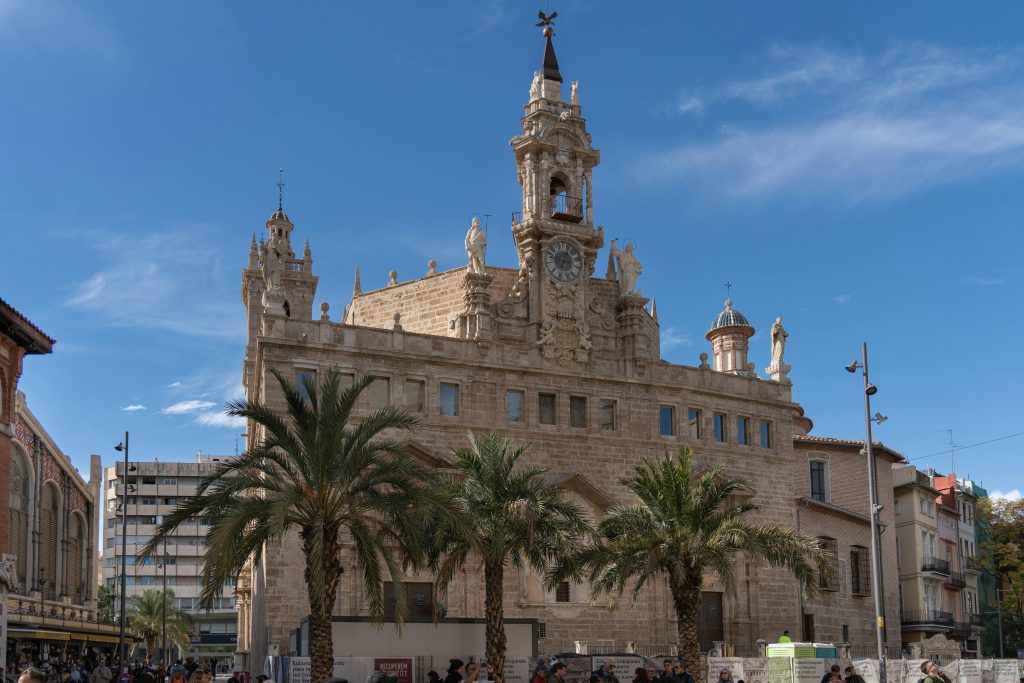
At the core of the city lies Ciutat Vella, the Old Town. This is where you’ll find the Cathedral, Plaza de la Virgen, La Lonja de la Seda, the Central Market, and many small museums and squares. Most first-time visitors spend a large part of their trip here.
Unlike in some European cities, the historic center in Valencia is not isolated — it blends naturally into surrounding neighborhoods. That’s why staying just outside it can still feel very central.
2. The city grows outward in rings
Around Ciutat Vella, you’ll find districts like Ruzafa, Extramurs, and El Pla del Remei / Gran Vía. These areas are within walking distance of the center or just a short bus or metro ride away. They feel more residential but remain lively and well connected.
Further out, Valencia becomes more local and less tourist-oriented. That’s not a bad thing — but for a first visit, proximity matters.
3. Green space cuts across the city
One unique feature of Valencia is the Turia Garden — a long park built in a former riverbed that stretches across the city. It connects different districts and makes walking or cycling between neighborhoods surprisingly pleasant.
4. Train station and airport access are straightforward
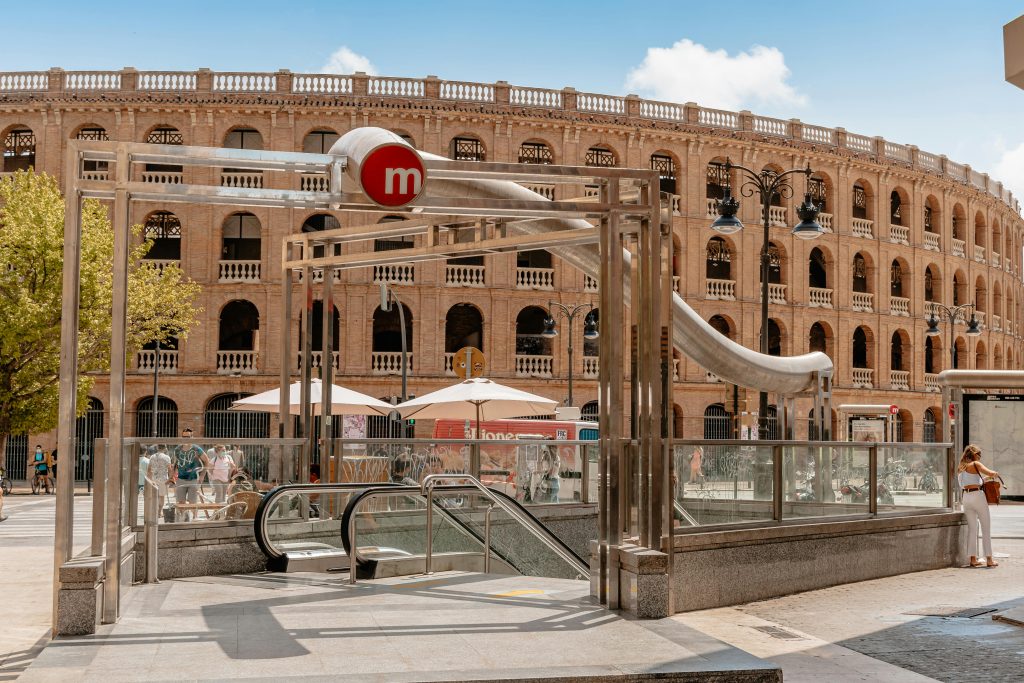
The main railway station, Estació del Nord, is located right next to the center, within walking distance of Ciutat Vella and Ruzafa. The newer Joaquín Sorolla station (for high-speed trains) is about 10-15 minutes away on foot or a short taxi (for example like Bolt, Uber or Free Now) ride.
Valencia Airport is connected to the city by Metro lines 3 and 5, which take around 20-30 minutes to reach central areas. This makes staying near the center practical even for short trips. For first-time visitors, this accessibility reduces stress and keeps your sightseeing flexible.
Best Areas to Stay in Valencia for a First Visit
Ciutat Vella — The Historic Heart of Valencia
If it’s your first time in Valencia and you want everything within walking distance, this is the most intuitive place to stay. Ciutat Vella is the Old Town — compact, atmospheric, and full of architectural details that make you slow down without even noticing.
Who it’s best for
- First-time visitors
- Couples
- Short city breaks (2-3 days)
- Travelers who prefer walking over public transport
Pros
- Walkable to almost everything. The Cathedral, Central Market, La Lonja de la Seda, Plaza de la Virgen, and dozens of small squares are all within minutes.
- Historic atmosphere. Narrow streets, medieval buildings, hidden courtyards — the setting feels immersive.
- Endless cafés and restaurants. You won’t struggle to find breakfast spots, tapas bars, or evening terraces.
- Good transport access. You can walk to Estació del Nord in about 10-15 minutes, and several bus routes run nearby.
- Safe and lively. The area feels active both day and evening, especially around main squares.
Cons
- Can be noisy. Some streets stay lively late into the night.
- Higher prices. Central location usually means slightly higher accommodation costs.
- Limited car access. Parking is restricted and streets are narrow.
What’s nearby
- Valencia Cathedral
- Plaza de la Virgen
- La Lonja de la Seda (UNESCO site)
- Central Market (Mercado Central)
- Plaza del Ayuntamiento
- Turia Garden (5-10 minutes on foot)
Accommodation
In Ciutat Vella, you’ll mostly find:
- Small boutique hotels
- Renovated apartments in historic buildings
- Guesthouses
- A few hostels tucked into side streets
What to pay attention to
- Street noise, especially near bars and squares
- Whether there is an elevator (many historic buildings don’t have one)
- Air conditioning in summer — Valencia gets hot
- Exact walking distance to the nearest taxi or bus stop
Best type of accommodation here
Ideally, choose a centrally located hotel or apartment inside the Old Town so you can explore everything on foot.
El Carmen — The Most Atmospheric Corner of the Old Town
El Carmen is technically part of Ciutat Vella, but it has a personality strong enough to deserve its own mention. This is the most bohemian and layered part of the historic center — where medieval walls meet street art, tiny tapas bars hide behind heavy wooden doors, and evenings feel effortlessly alive.
If Ciutat Vella is the historic heart, El Carmen is its creative pulse.
Who it’s best for
- Couples
- Solo travelers
- Culture lovers
- Travelers who enjoy lively evenings
Pros
- Deep historic character. You’re surrounded by ancient city walls, narrow lanes, and hidden plazas.
- Creative energy. Independent galleries, street art, and small cultural spaces give the area personality.
- Great evening atmosphere. Plenty of tapas bars and casual spots without needing to leave the neighborhood.
- Central location. Still fully walkable to all major Old Town sights.
- Close to Turia Garden. Easy access to Valencia’s main green space.
Cons
- Can be noisy at night. Some streets are active until late.
- Tricky access by car. Very narrow streets and limited parking.
- Buildings are old. Not all properties have elevators or modern insulation.
What’s nearby
- Torres de Serranos
- Torres de Quart
- Valencia Cathedral
- Plaza de la Virgen
- IVAM (Institute of Modern Art)
- Turia Garden
Accommodation
El Carmen mainly offers:
- Small boutique hotels
- Stylish renovated apartments
- Guesthouses
- A few social hostels
What to pay attention to
- Noise levels, especially on weekends
- Air conditioning in summer
- Whether windows face a quiet courtyard or a busy street
- Stair access if traveling with heavy luggage
Best type of accommodation here
A renovated apartment on a quieter side street gives you an atmosphere without constant street noise.
Ruzafa (Russafa) — Valencia Food and Lifestyle District
Just south of the Old Town, Ruzafa feels different from the moment you step into it. Streets are wider, buildings are colorful, terraces spill onto sidewalks, and the energy is unmistakably local. This is where Valencia goes out for brunch, creative tapas, natural wine, and late dinners that stretch into conversation.
If you enjoy neighborhoods that feel lived-in rather than postcard-perfect, Ruzafa might be your place.
Who it’s best for
- Food lovers
- Couples
- Friends traveling together
- Travelers who enjoy lively neighborhoods
Pros
- Outstanding café culture. Some of the city’s best brunch spots, bakeries, and independent restaurants are here.
- Local atmosphere. Fewer souvenir shops, more everyday Valencia.
- Walking distance to the center. About 15-20 minutes to Ciutat Vella.
- Close to Estació del Nord. Convenient for train arrivals.
- Well connected. Metro and bus options nearby.
Cons
- Lively at night. Some streets stay active late, especially on weekends.
- Not as historic. If you want medieval surroundings, this isn’t it.
- Parking can be difficult.
What’s nearby
- Mercado de Ruzafa
- Estació del Nord
- Plaza del Ayuntamiento
- Turia Garden
- Colón Market
- Central Valencia shopping streets
Accommodation
In Ruzafa, you’ll mostly find:
- Modern apartments
- Design-focused boutique hotels
- Guesthouses
- A few hostels
What to pay attention to
- Noise from restaurants and bars below
- Air conditioning (important in summer)
- Distance to the nearest metro station
- Whether the building has an elevator
Best type of accommodation here
A modern apartment on a quieter residential street offers the best balance of energy and comfort.
El Pla del Remei / Gran Vía — Calm, Elegant, and Central
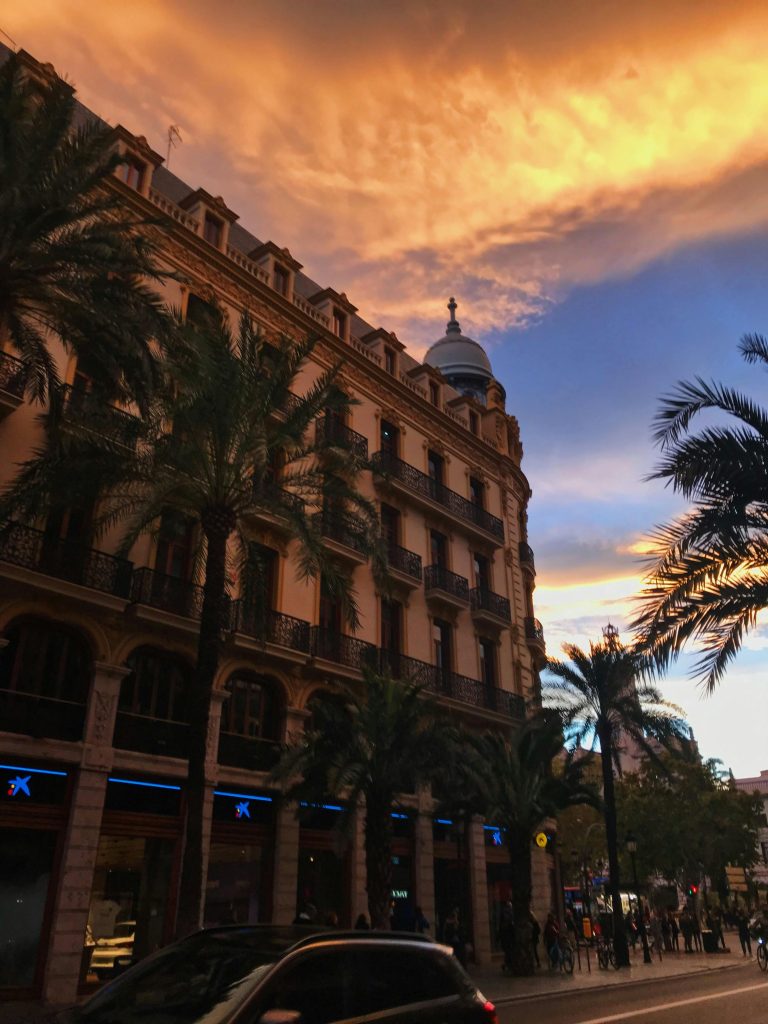
If the Old Town feels too busy and Ruzafa too energetic, El Pla del Remei and the nearby Gran Vía area offer a comfortable middle ground. This part of Valencia feels refined and residential — wide avenues, beautiful early 20th-century buildings, boutique shops, and a noticeably calmer pace.
You’re still very close to everything, but evenings tend to be quieter and more relaxed.
Who it’s best for
- Couples
- Travelers who prefer comfort over nightlife
- Slightly longer stays (3-5 days)
- Visitors who like elegant, walkable neighborhoods
Pros
- Quiet but central. Around 10-15 minutes on foot to Ciutat Vella.
- Beautiful architecture. Modernist façades and well-kept streets.
- Close to Colón Market and shopping areas. Good mix of restaurants and everyday services.
- Safe, residential feel. Less tourist-heavy than the Old Town.
- Good transport access. Metro stations and buses nearby.
Cons
- Slightly higher prices. It’s considered one of the more upscale areas.
- Less historic atmosphere. No medieval streets here.
- Quieter nightlife. Not ideal if you want bars outside your door.
What’s nearby
- Colón Market (Mercado de Colón)
- Turia Garden
- Plaza del Ayuntamiento
- Central shopping streets (Calle Colón area)
- Estació del Nord
- Ruzafa district
Accommodation
In this area, you’ll mostly find:
- Mid-range and upscale hotels
- Spacious apartments in residential buildings
- Fewer hostels
What to pay attention to
- Whether the room faces a main avenue (traffic noise can vary)
- Elevator access in older buildings
- Parking availability if traveling by car
- Exact walking distance to the Old Town
Best type of accommodation here
A centrally located hotel near Colón Market offers comfort while keeping everything within walking distance.
Extramurs — Practical, Well Connected, and Better Value
Extramurs literally means “outside the walls,” and that already tells you something about its location. This district sits just west of the Old Town, beyond what used to be the medieval city walls. Today, it’s a practical, local, and often more affordable alternative to staying directly in the historic center.
It may not have postcard charm, but it works surprisingly well for a first visit — especially if you value transport connections and better prices.
Who it’s best for
- Budget-conscious travelers
- Short city breaks
- Travelers arriving by train
- Visitors who don’t mind a 10-20 minute walk to the center
Pros
- Good value for money. Accommodation prices are often lower than in Ciutat Vella.
- Excellent transport access. Several metro stations and bus routes nearby.
- Close to Estació del Nord and Joaquín Sorolla station. Convenient for early departures.
- Walking distance to the Old Town. About 15-20 minutes depending on the exact location.
- Local atmosphere. More residential, less tourist-focused.
Cons
- Less charm. Streets are functional rather than picturesque.
- Heavier traffic in some areas. Especially near main roads.
- Not as many trendy cafés as Ruzafa.
What’s nearby
- Plaza de España
- Estació del Nord
- Joaquín Sorolla train station
- Plaza del Ayuntamiento
- Central Market (15-20 minutes on foot)
- Turia Garden
Accommodation
In Extramurs, you’ll mostly find:
- Mid-range chain hotels
- Budget hotels
- Apartment rentals
- A few simple hostels
What to pay attention to
- Exact distance to the Old Town (Extramurs is large)
- Traffic noise if staying near major roads
- Metro access for airport transfers
- Parking conditions if traveling by car
Best type of accommodation here
A hotel or apartment close to a metro station gives you the best balance of price and convenience.
Neighborhoods in Valencia That May Not Be Ideal for a Short First Visit
Valencia is generally a safe and welcoming city, and it doesn’t have clearly “bad” neighborhoods in the way some larger European capitals do. However, for a short first visit, certain areas can be less practical due to distance from major attractions, limited atmosphere, or transport logistics. While these districts may suit specific travel styles, they often require extra planning and daily commuting.
- Outlying residential districts such as Benimàmet, Orriols, or parts of Torrefiel are typically more affordable and offer a local, authentic feel. However, they are located farther from the historic center, meaning you’ll likely rely on metro or bus connections every day. These areas work better for longer stays rather than quick city breaks focused on sightseeing.
- Industrial or business-oriented zones, particularly around Fuente de San Luis or Vara de Quart, are functional but lack the charm most travelers look for. Evening life, cafés, and cultural spots are limited, making them less appealing for a leisure-focused trip.
- Nightlife-heavy areas like El Carmen can be vibrant and fun, but the constant activity—especially on weekends—may disrupt sleep. If rest is important during your stay, this is worth considering.
- While staying near the beach in El Cabanyal or La Malvarrosa sounds tempting, these districts are about 25–40 minutes from the historic center. For a short city break, that daily commute can reduce valuable exploration time. They are better suited for slower trips that combine beach relaxation with urban discovery.
- Finally, accommodation directly next to major traffic arteries may be convenient for drivers, but it can feel less pleasant for walking and quieter evenings.
None of these areas are “wrong” choices — they simply suit specific travel styles. For a 2-4 day first visit focused on exploring Valencia’s highlights, staying closer to the historic center usually makes the experience smoother and more relaxed.
Practical Tips for Choosing Accommodation in Valencia
Even in a compact city like Valencia, small details can make a big difference. Before booking, it’s worth taking a few minutes to think about how long you’re staying and what matters most to you — walking distance, quiet nights, transport access, or price.
Here are practical tips that help avoid common mistakes:
- If your trip is 2-3 days, stay as central as possible. Ciutat Vella, El Carmen, or nearby areas save time and energy when every hour counts.
- If you’re staying 4-5 days, you can choose slightly further out. Districts like Ruzafa or Extramurs work well, especially if they’re close to metro or bus stops.
- Always check reviews for noise. This is especially important in the Old Town and Ruzafa, where street life can continue late into the evening.
- Confirm air conditioning in summer and heating in winter. Valencia gets very hot from June to September, and older buildings may not always have modern climate control.
- Look for elevator access. Many historic buildings in Ciutat Vella and El Carmen don’t have lifts — something to consider if you’re traveling with heavy luggage.
- Check the real walking time to the center. A “central” label can sometimes mean 20-25 minutes on foot. Open a map and measure the route yourself.
- If arriving from the airport, check metro proximity. Lines 3 and 5 connect the airport to the city, so staying near a metro station simplifies transfers.
- If traveling by car, confirm parking in advance. Central Valencia has limited street parking and regulated zones.
A few minutes of checking details before booking often saves hours of inconvenience later.
Two Easy Walking Routes to Make the Most of Your Stay
These short routes help you understand why staying in the right neighborhood matters. Both are designed to be relaxed, realistic, and doable without rushing.
One Perfect Day in Valencia (Starting from Ciutat Vella)
If you’re staying in or near the Old Town, this route lets you see Valencia’s highlights almost entirely on foot.
- Plaza de la Virgen — Start your morning in one of the city’s most beautiful squares.
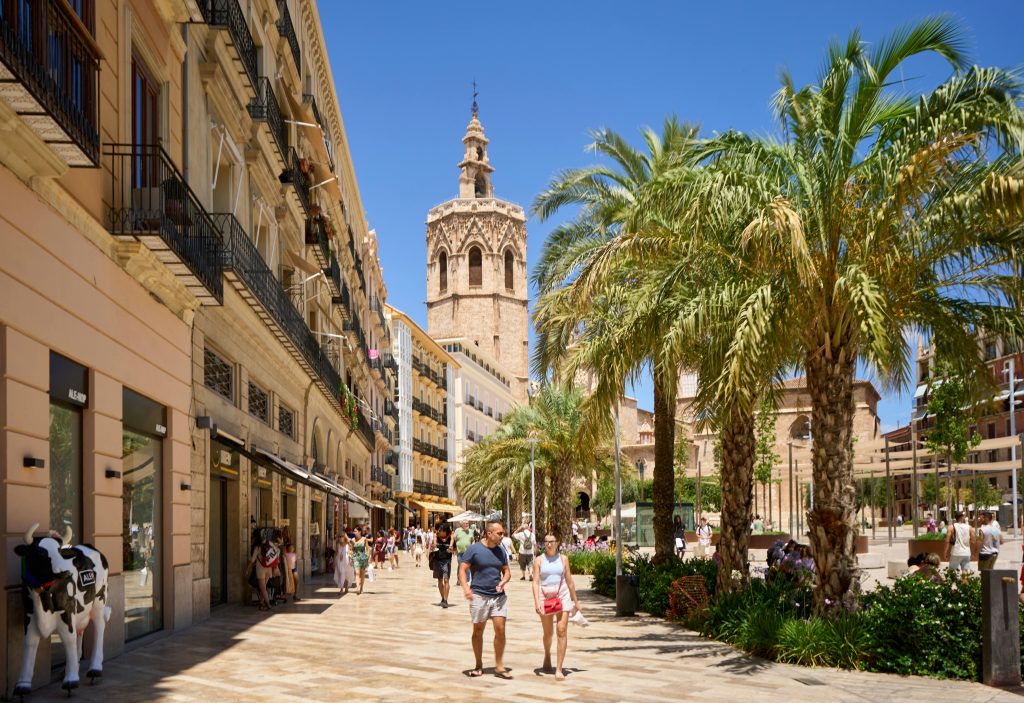
- Valencia Cathedral & El Miguelete Tower — Climb the tower for panoramic views.
- La Lonja de la Seda — A UNESCO-listed Gothic masterpiece.
- Central Market (Mercado Central) — Grab fresh juice, fruit, or a quick local snack.
- Plaza del Ayuntamiento — Walk toward the city’s grand central square.
- Colón Market — Stop for coffee in a modernist building.
- Turia Garden — Stroll or rent a bike along the former riverbed park.
- City of Arts and Sciences — End the afternoon at Valencia’s futuristic landmark.
In the evening, return through Turia Garden or take a short bus ride back to the center for dinner.
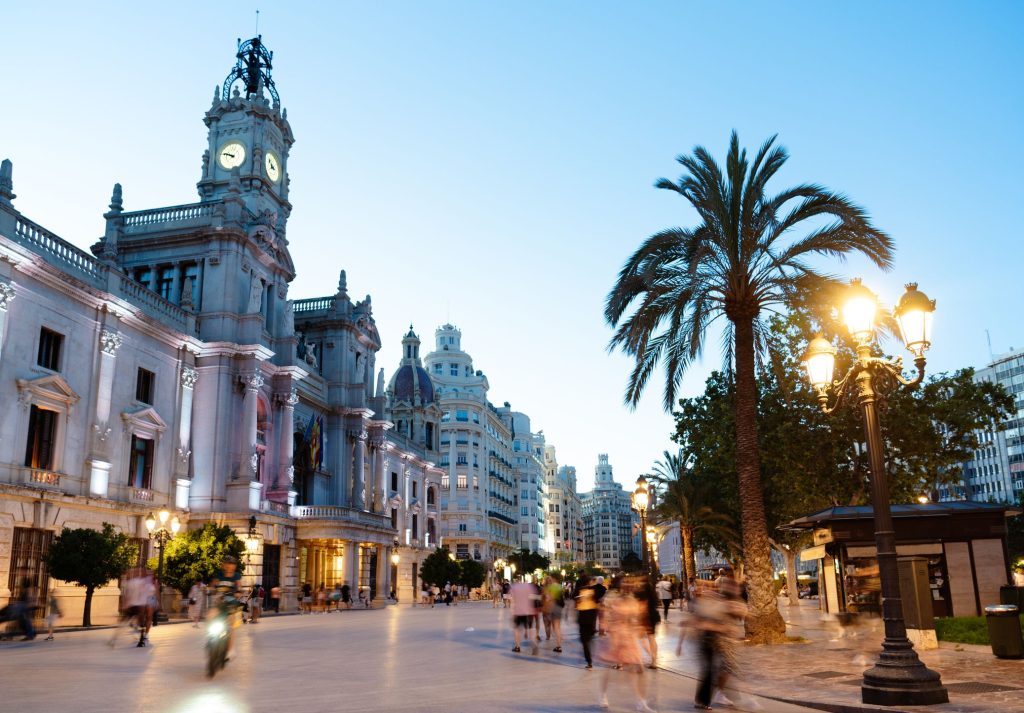
A Relaxed Evening Walk (Starting from El Pla del Remei / Gran Vía)
If you’re staying in a quieter, elegant part of the city, this route offers a calm and atmospheric evening.
- Mercado de Colón — Begin with a drink or light tapas.
- Calle Colón area — Walk through lively but polished central streets.
- Plaza del Ayuntamiento at sunset — The square feels especially open and bright in the evening light.
- Ciutat Vella side streets — Wander without a strict plan — small plazas appear naturally.
- Turia Garden (optional detour) — A peaceful contrast before heading back.
This walk doesn’t feel rushed. It’s about absorbing Valencia’s rhythm — soft light, outdoor terraces, and slow conversation.
Choosing the Right Base Changes the Trip
Valencia is compact, welcoming, and surprisingly easy to navigate — but your neighborhood shapes the experience. Stay in Ciutat Vella if you want history at your doorstep. Choose Ruzafa for food and energy. Pick El Pla del Remei for calm elegance. Go with Extramurs for value and convenience.
For a first visit, proximity to the center usually makes everything smoother. Once you understand the city’s layout, even slightly less central areas become simple and practical.
In Valencia, the right location doesn’t just save time — it sets the mood for your entire trip.